Native vs Cross-Platform: Picking Your Mobile Stack
Published on April 2, 2026
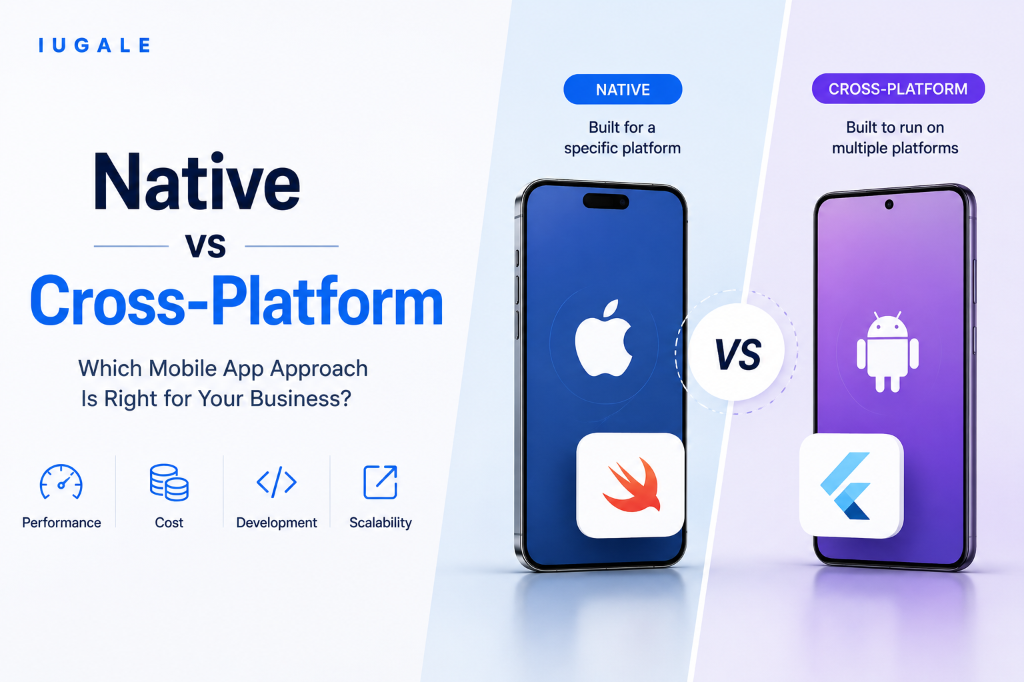
Cross-platform frameworks have closed the gap with native — but not for every use case. Here’s how we decide.
The Evolution of Cross-Platform Frameworks
Historically, choosing cross-platform frameworks meant sacrificing app fluidity, UI fidelity, and native device access. Over recent years, frameworks like React Native and Google Flutter have matured tremendously.
For 90% of business, e-commerce, and healthcare applications—including platforms like our Orbitas clinic management app—modern cross-platform development provides near-native 60fps performance while cutting development timelines and maintenance costs in half.
Architectural & Performance Tradeoffs

Native iOS (Swift) and Android (Kotlin) development remain superior for intensive 3D graphic rendering, heavy real-time video processing, or deep low-level Bluetooth hardware integrations.
However, when speed-to-market, unified codebase maintenance, and rapid iterative releases are paramount, our mobile application development services deliver exceptional ROI.
Selecting the Optimal Stack for Your Vision
We evaluate your product features, hardware integrations, and team capabilities through our software engineering services to select the precise mobile stack that aligns with your roadmap.
Deepak Kashyap
Head of Marketing at Iugale Services
Have a project in mind?
Get a free technical consultation and digital strategy session with our engineers.